On Friday evening, December 19, Russian forces launched a massive strike on port infrastructure in the Odesa district.
According to Oleh Kiper, head of the Odesa Regional Military Administration, the attack killed eight people and injured 27 others.

Emergency services clarified that some of the victims were inside a bus located at the epicenter of the strike. The ballistic missile attack also triggered fires among trucks in a parking lot and damaged several passenger vehicles. All blazes were promptly extinguished.\

Ukraine’s Deputy Prime Minister for Restoration, Oleksiy Kuleba, commented on the aftermath, noting significant damage to cargo transport and equipment. He called on the international community to tighten sanctions against Russia in response to the continued targeting of civilian infrastructure.

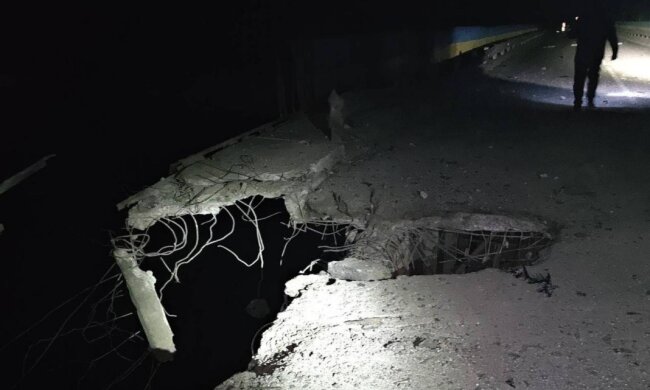
That same night, Russian troops conducted a follow-up strike on a strategic transport bridge near the village of Mayaki. The bridge sits on the M15 highway, a vital artery connecting Odesa to Reni. Traffic on this section has been suspended while officials assess the scale of the destruction.
Oleh Kiper urged residents not to share information regarding detour routes or repair progress on the bridge. He explained that the site has been targeted repeatedly, and publishing such details could provoke further strikes, endangering lives and aiding the enemy.
Dmitry Levushkin, founder of the Prime transport company, emphasized the bridge's strategic importance, noting it is a primary route for delivering fuel from Danube ports to Ukraine’s southern regions. He warned that destroying the crossing could lead to a significant spike in fuel prices for consumers.
This latest escalation follows a series of strikes beginning December 12, during which Russian forces repeatedly targeted Odesa’s energy grid. These attacks rank among the largest since the start of the full-scale invasion, leaving much of Odesa without water, electricity, or public transport. Recovery efforts lasted over a week, with the city forced to implement scheduled rolling blackouts.