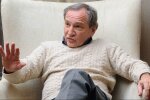
American geopolitician George Friedman pointed to the escalating crisis in Chechnya as a potentially more dangerous threat to Putin than the situation on the front in Ukraine. In his view, it was precisely the suppression of the Chechen uprising that brought Putin to the presidency, and now destabilization of this region could undermine the foundation of his power.
George Friedman said this in an interview with the Geopolitical Futures podcast.
"Chechnya is what made Putin president of Russia. He suppressed the uprising - ruthlessly, brutally, but successfully," the analyst recalled. He emphasized that control over the North Caucasus was critically important for preserving Russia's territorial integrity after the collapse of the USSR.
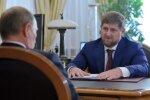
Friedman drew attention to suspicious circumstances surrounding Ramzan Kadyrov's third son, whom the head of Chechnya chose as his successor. "The third son was in a car accident several weeks ago and was seriously injured. I don't know the details. But simultaneously Chechnya is destabilizing," the expert noted.
According to Friedman's information, the FSB does not want the creation of a Kadyrov family dynasty in Chechnya. "I'm told that the FSB doesn't want to create a family dynasty there," the analyst reported. He indicated that the simultaneous deterioration of the elder Kadyrov's health and the accident involving his successor may indicate an internal struggle within Russian intelligence services.
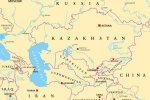
Friedman emphasized the strategic significance of the situation: "I think he's more concerned about suppressing this than taking a couple more kilometers in Ukraine. This is fundamental for him." The expert noted that Putin now faces problems on all fronts - he lost Central Asia, the entire South Caucasus, and failed in his attempt to create a buffer in the west.
"If Chechnya explodes again - and I think they're desperately trying to suppress it, and when I say 'suppress,' I mean suppress - if this happens, the foundation of Putin's presidency will be threatened," the geopolitician warned. He added that in Russia, brutality has historically not been considered unacceptable, but the key for a leader is to demonstrate the ability to "get things done" and maintain control.